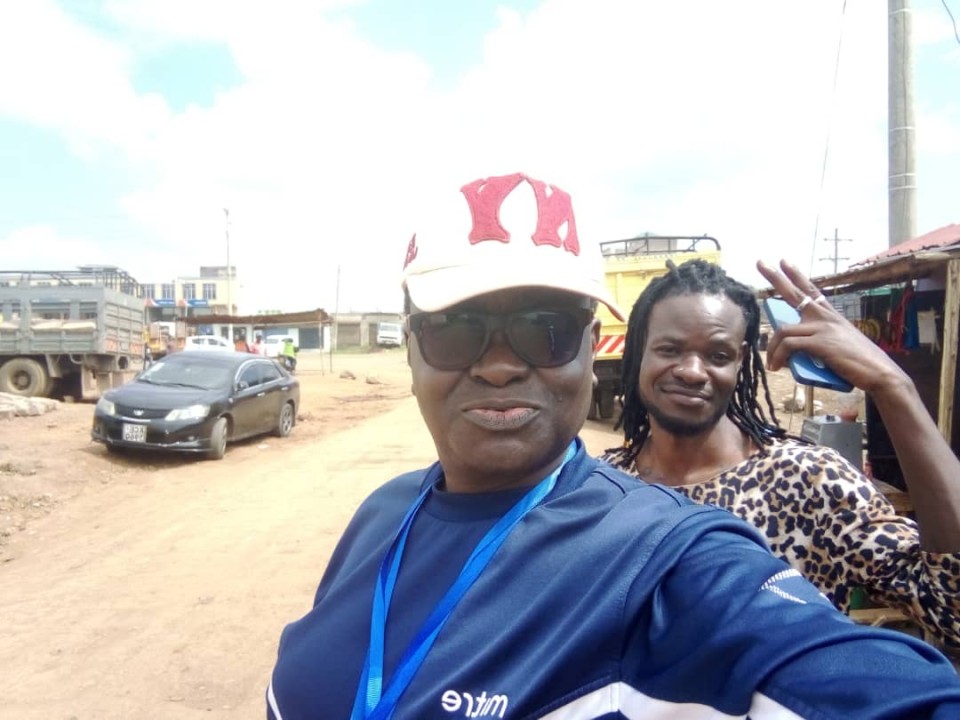


Communities are the people in the villages, households, using the common resources in form of road system, streams, creeks, rivers, space, soccer (football) fields, the community fairs, the common food, the use of time and seasons.
In the communities, one finds people living with, at risk of, or affected by TB/Malaria/HIV/Hepatitis. In the communities one comes to terms with what are known as the frontlines and it is here that we need to catalyse progress in the TB/Malaria/HIV/Hepatitis response.
Communities connect people with person-centred public health services, build trust, innovate, monitor implementation of policies and services, and hold providers accountable.
The Twenty four Dots To Connect:
- Organize communities
- Network within support mechanisms
- Establish a tailored/mainstreamed strategic calendar
- Share the strategic calendar within your networks
- Develop a shared work plan and expected results
- Ensure that all community members’ needs are prioritized
- Align needs to SDG-mediated interventions
- Generate an accountability frame reflecting country aspirations
- Develop a roster for all stakeholder to meaningfully engage
- Develop a documentation culture
- Capture data
- Celebrate small milestones
- Recognize champions
- Know the geography of the place
- Know the different community activities
- Know the epidemics to tackle
- Analyse the political situation
- Know who to call and consult
- Work around the community activities
- Be affirmatively intentional in your activism
- Organize around upholding human rights
- Design systems and structures that prevent diseases
- Design systems and structures that prolong life
- Design systems and structures that promote health
Conclusion/Recommendations:
Community Leaders Are Key:
Seek out your leaders and arrange or organize community level activities to make communities TB/Malaria/HIV/Hepatitis response spaces. Make plans and programmes so that in their formulation, budgeting, implementation, monitoring and evaluation to reflect the notion “Nothing about us without us.”
Resources, Logistics and Materials Are Key:
Establish and maintain resource chains because when more people, organizations and departments are involved in the TB/Malaria/HIV/Hepatitis response it is easier to scale it up, be properly supported and tracked. Remember “Not ending epidemics is more expensive than ending them.”
Regulatory Contexts Are Key:
Empower community members to be aware of the regulatory environment needed to facilitate progress and roles in provision of TB/Malaria/HIV/Hepatitis response service. Ensure civil society space, and protect the human rights of all, including those Children living with TB/HIV, Persons with Disabilities (PWDs), the elderly, Key, Vulnerable Populations, Refugees, Asylum Seekers, Displaced Persons and marginalised communities. If we are to move forward with the global TB/Malaria/HIV/Hepatitis response, we need to “Remove laws that harm, create laws that empower.”
 RAFASA